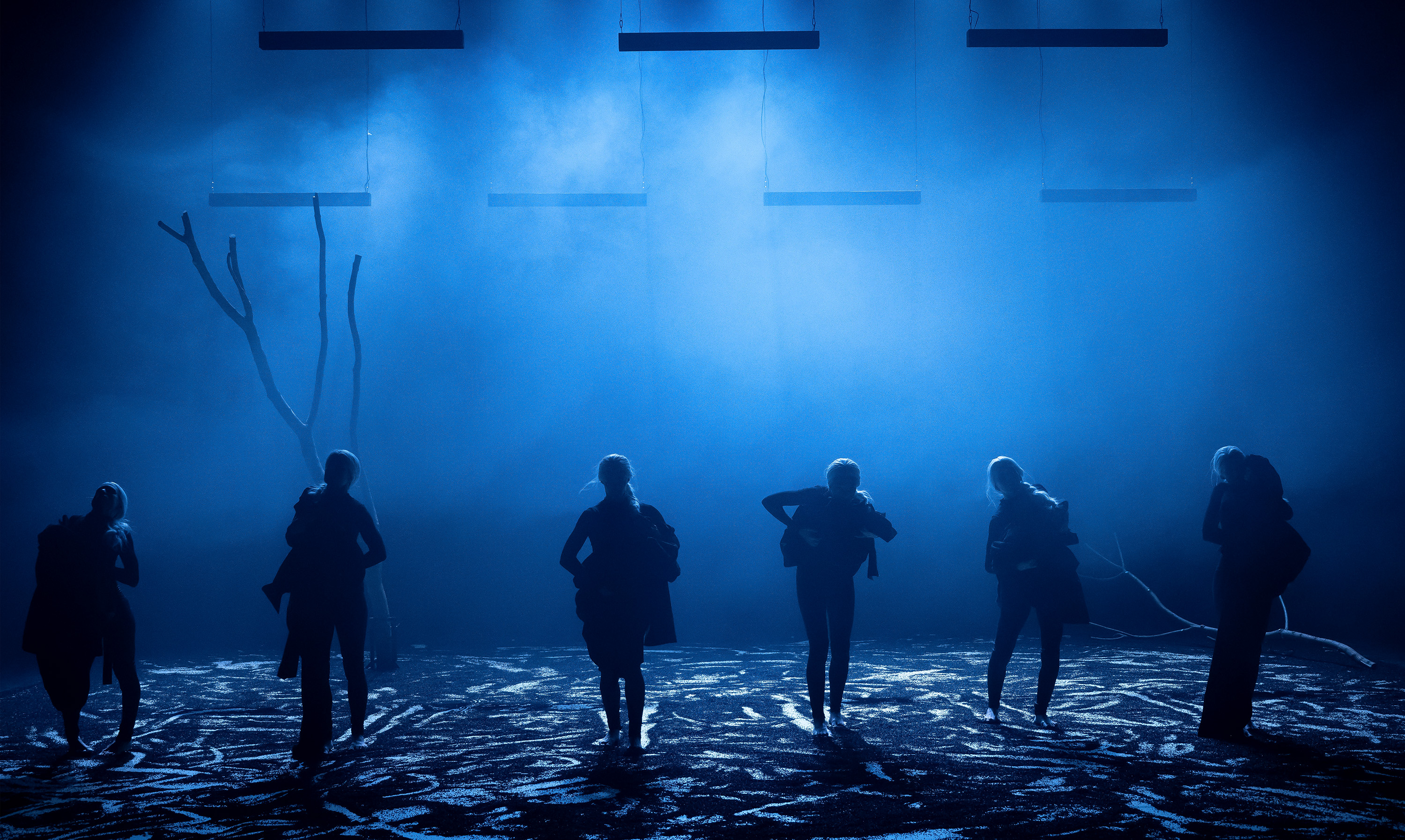
Performance: Marta Krešić, Filipa Bavčević, Nastasja Štefanić Kralj, Viktoria Bubalo, Ema Crnić, Dora Pocedić
Assistant choreography: Karolina Szymura
Costume and set design: Zdravka Ivandija Kirigin
Assistant costume and set design: Ana Roko
Music: Miguelángel Clerc Parada
Light design: Tomislav Maglečić
Visuals: Tihomir Filipec
Photography: Nina Đurđević and Inia Herenčić
Video: Matija Kralj Štefanić
Trailer: Ante Cvitanović
Artistic direction of Studio: Martina Tomić
Producer: Ivan Mrdjen
Production assistant: Jelena Ružić
PR: Ivana Sansević
Production: Studio for contemporary dance
Financially supported by: Ministry of Culture and Media of the Republic of Croatia, City of Zagreb, Kultura nova Foundation
Co-production: Zagreb Youth Theatre
Thanks to: Zadar Dance Ensemble
Premiere: 22.12.2025.
ABOUT THE SHOW
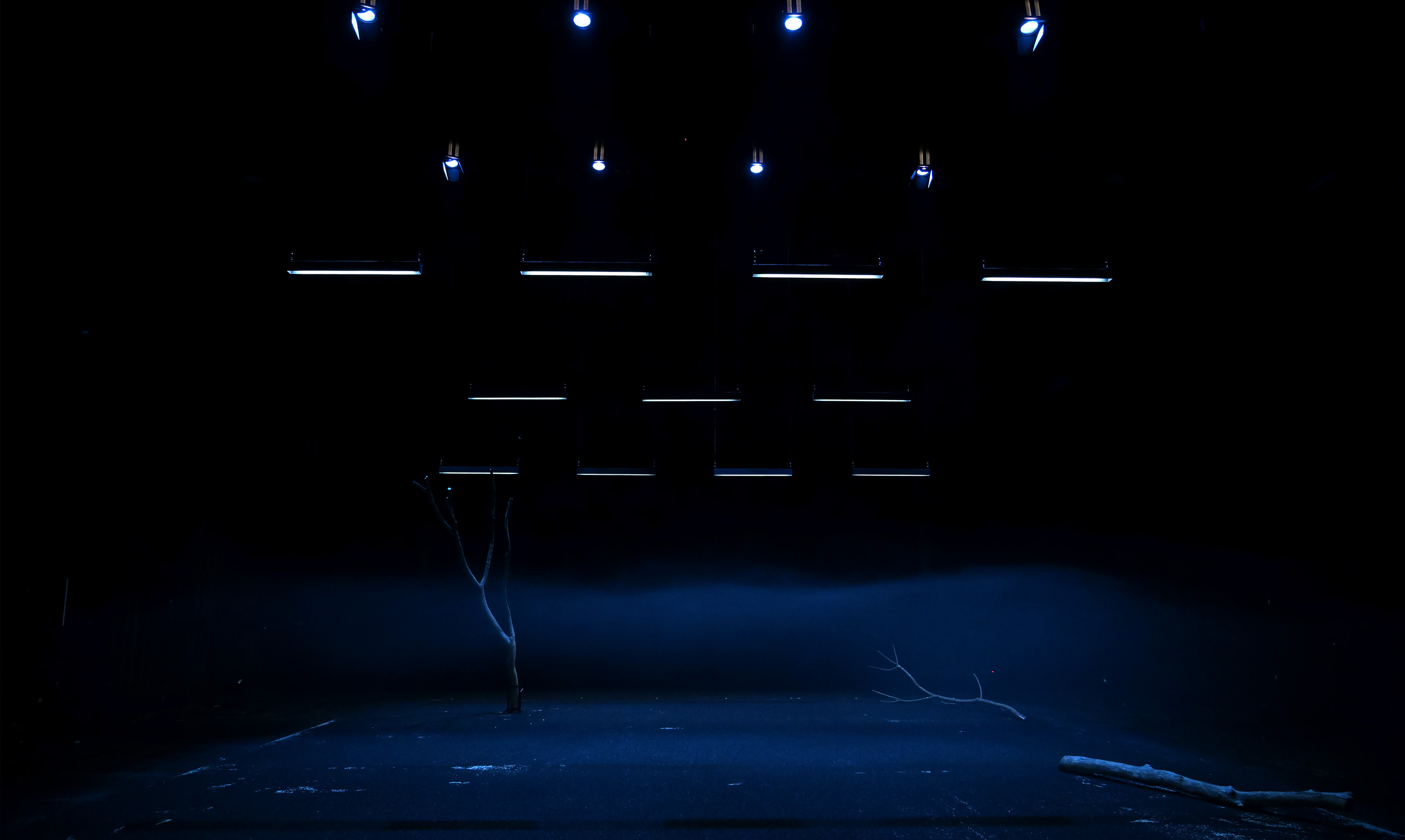
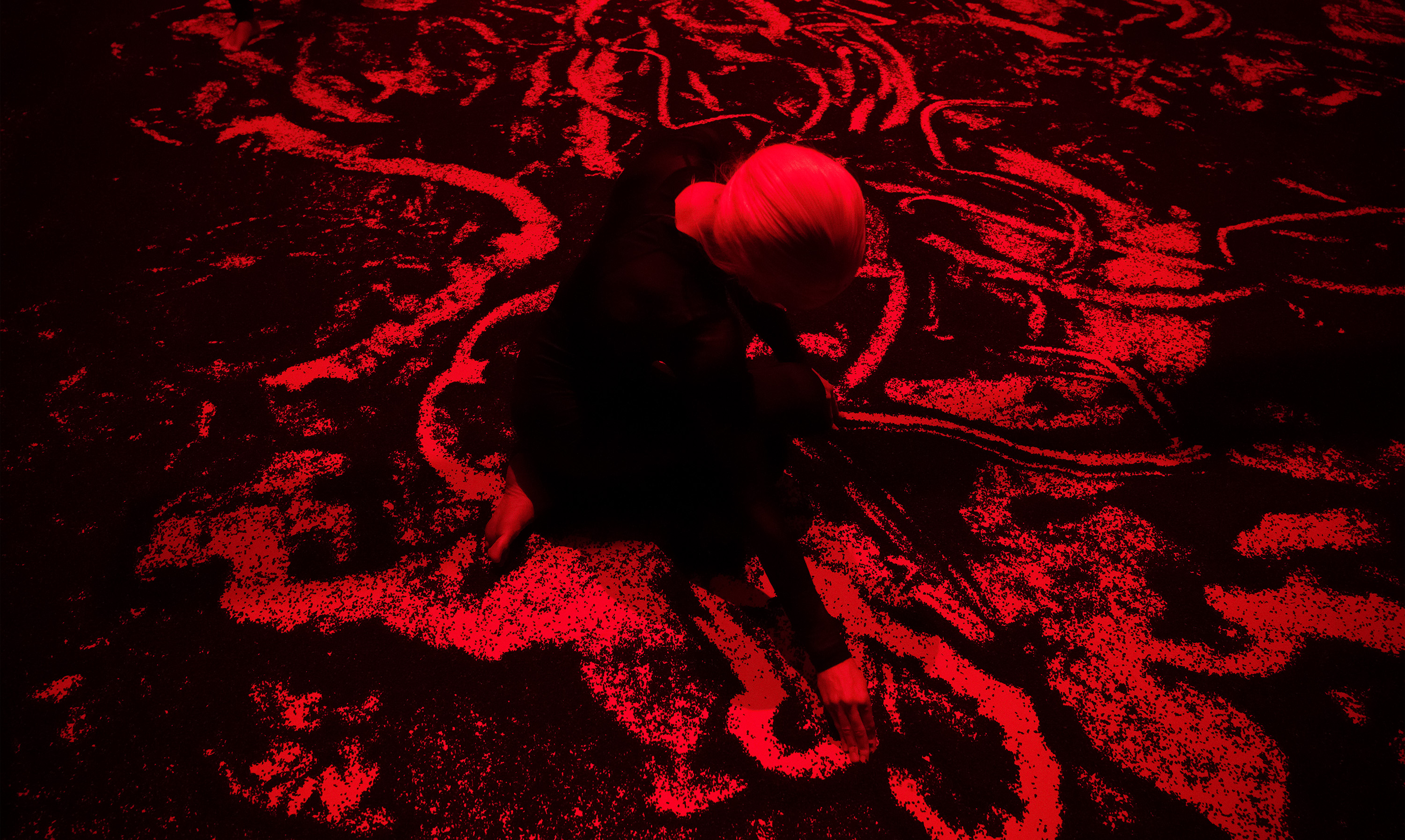
Mica /ˈmʌɪkə/ arises in a landscape of pressure, where traces of life persist in eroded materials and forms – an environment of resistance where transformation becomes the urgency of survival. The work takes its name from a group of metamorphic minerals composed of countless thin, flexible layers, each one a record of compression and endurance. Formed through heat and instability, mica bends, folds, and reflects, retaining the traces of its formation.
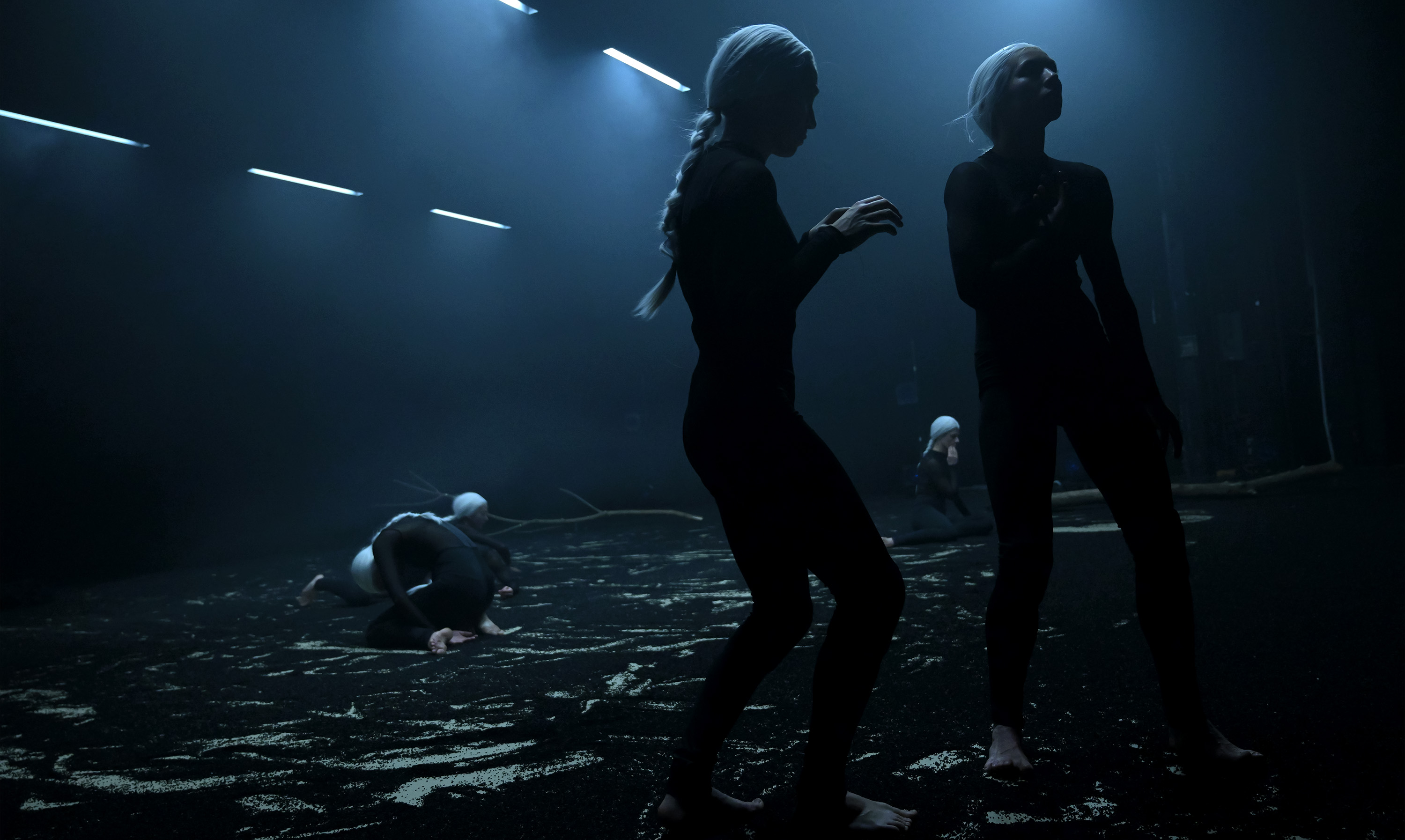
In this new work, Astrid Boons – known for her emotionally resonant and deeply embodied performances – opens a space to reflect on what it means to live, change, and evolve together. Drawing from the structures and tensions of contemporary society, Mica traces the fragile balance between connection and isolation, the longing to belong. Bodies become vessels, each carrying echoes of others, shaped by shared memory and future possibility.
The choreography approaches this condition as a way of thinking about the body’s relation to change. In a time of social and ecological instability, it asks what versions of the future might emerge if we stay with the pressures that form us, allowing the body to search for forms of adaptation rather than alienation.
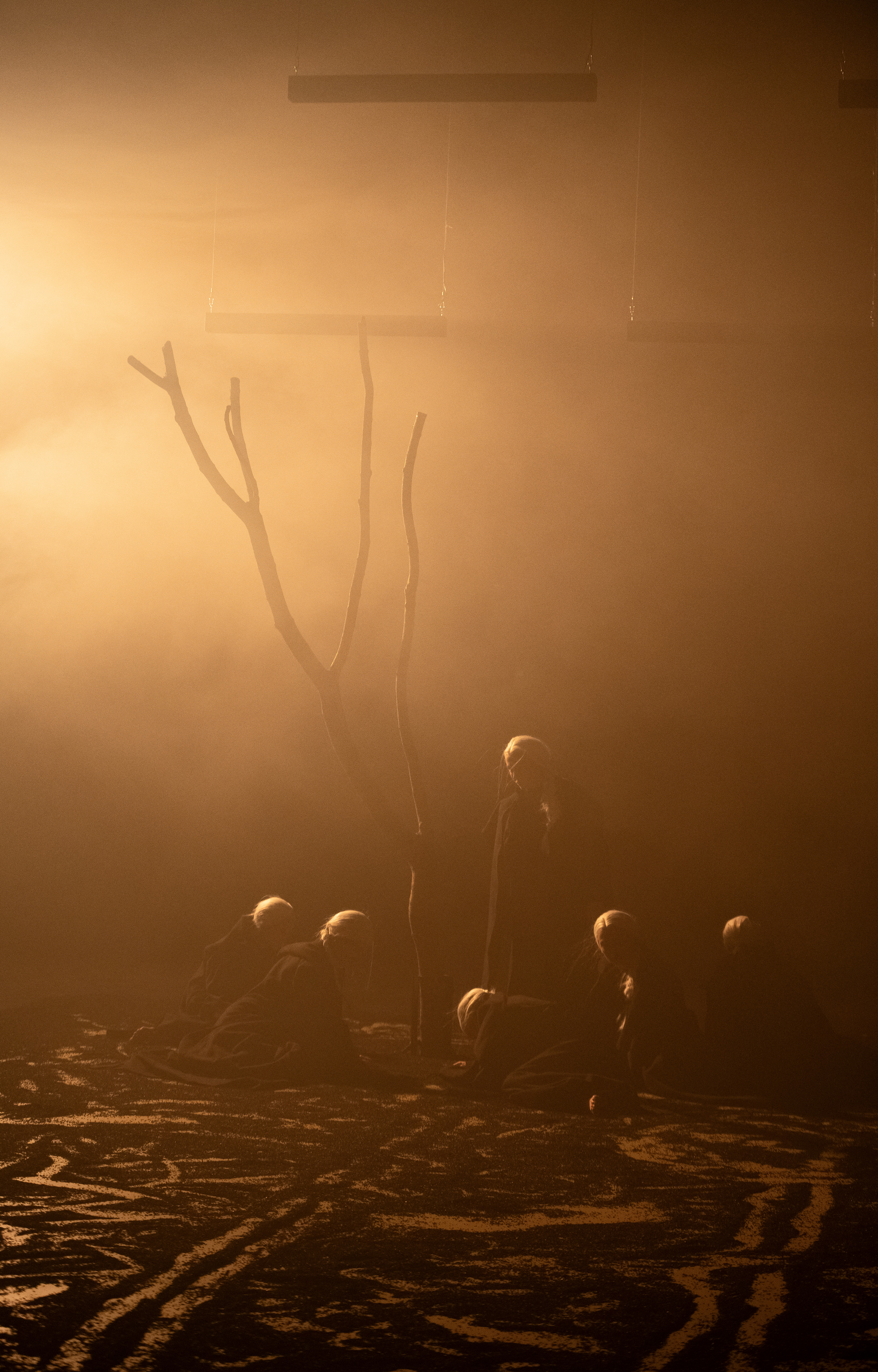
Mica imagines bodies that respond like minerals – accumulating, refracting, layering histories. Within fracture, reflection multiplies. The future is not a horizon ahead but a pulse within the multiplicity of time itself: an environment that carries memory as a living presence, where bodies discover new ways of survival.